As December settles in and temperatures continue to dip, it’s easy to assume the garden has officially gone to sleep. But for organic growers, the first week of December is a powerful transition point—a chance to protect the life you’ve nurtured all year and set the stage for a thriving spring. Winter gardening isn’t just maintenance; it’s a quiet act of stewardship, resilience, and connection to the rhythm of the seasons. At Organic Harvest, we believe that even the coldest months offer opportunities to care, prepare, and grow with intention.
Cold weather can bring unexpected swings—frost one day, brief warmth the next, an icy wind the day after. These shifts stress even hardy plants. Organic gardening depends on building strong root systems, healthy soil, and resilient plant structures, and winter care is essential for preserving all that work. With the right steps, you can prevent frost damage, maintain soil biology, and boost plant immunity before spring arrives.
Mulching is your winter garden’s warmest coat. Organic mulch helps keep soil temperatures stable and protects beneficial microbes that continue working through winter. A layer of straw, shredded leaves, grass clippings, or untreated wood chips can insulate roots, reduce erosion, and preserve moisture. For perennials like lavender, rosemary, and sage, this insulation is especially important to prevent cold-related stress and root heaving.
Lightweight frost cloths, row covers, or even old bedsheets become invaluable this time of year. These covers create a protective barrier against frost and cold winds while still allowing airflow. The key is to secure them tightly along the ground so heat doesn’t escape. Use them on:
Healthy soil is alive—even in winter. Now is the time to feed it and help it rebuild. Adding compost in early December gives microorganisms the fuel they need to continue breaking down organic matter. If you’re growing in raised beds or containers, this step is even more important since cold air reaches the soil from all sides.
Adding compost now:
Container plants are at a disadvantage in winter because their roots are more exposed. Bring pots indoors, into a greenhouse, or group them together against a south-facing wall for extra warmth. Insulate containers with burlap, bubble wrap, or even old sweaters—yes, the cozy approach truly works.
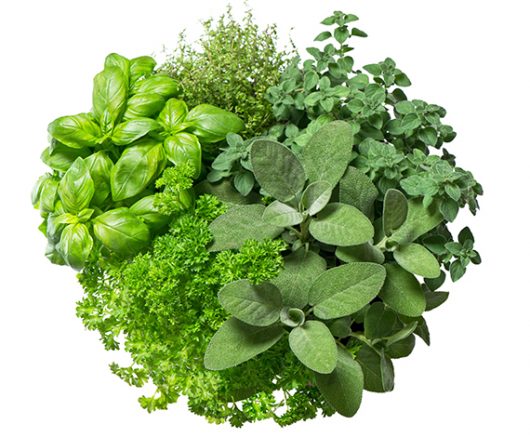
Herbs like basil, mint, thyme, oregano, and lemon balm thrive indoors during the colder months. With good light and reduced water, they will continue producing fragrant leaves for your winter kitchen.
Cold soil holds moisture longer, so watering needs decrease dramatically in December. But roots still require hydration, especially evergreen herbs and winter greens. The key is to water early in the day so plants can absorb moisture before nighttime temperatures drop. Wet foliage + freezing temperatures = plant damage, so always water at the base.
December invites us to pause, reflect, and reconnect with the deeper purpose of growing organically. It is a season of rest—both for the garden and the gardener. By protecting your plants now, you’re not only ensuring a successful spring; you’re participating in a sustainable, mindful cycle that honors the living soil and the ecosystem supporting it.
Winter may seem quiet, but beneath the surface, your garden is preparing. And with a bit of care, it will emerge stronger, healthier, and ready to flourish when warmer days return.