In every leaf, flower, and root, nature offers us healing. Long before modern medicine, people relied on plants to soothe ailments, support digestion, calm the mind, and even dress wounds. Today, that tradition continues—especially among organic growers who understand the powerful link between plant care and self-care.
A healing garden is more than just beautiful—it’s functional. It’s a space where you grow plants that restore the body and mind. And at Organic Harvest, we believe every backyard, balcony, or plot of earth has the potential to become a pharmacy of peace and wellness.
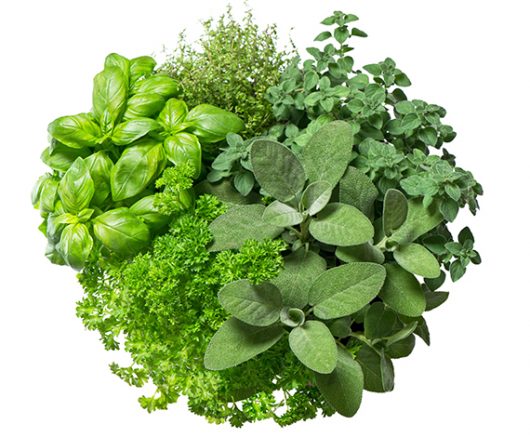
A healing garden is designed with purpose: to grow plants known for their medicinal, calming, or therapeutic properties. It’s not just about aesthetics; it’s about intention. These gardens often feature herbs, flowering medicinals, and sensory plants that engage the eyes, nose, and hands.
They also support mental health by inviting reflection, mindfulness, and connection with the rhythms of life.
These herbs are easy to grow in pots or raised beds and offer continuous harvests when managed with care.
Always research proper dosages and avoid using medicinal plants without proper identification or knowledge—especially when pregnant or on medications.
Creating a healing garden reminds us that health is something we can cultivate—literally. Every time we tend a leaf, harvest a flower, or brew a tea, we’re building a deeper relationship with our bodies and the land.
Organic healing gardens don’t just support personal health—they protect pollinators, reduce reliance on pharmaceuticals, and reconnect us with plant traditions passed down for generations.
There is medicine in the soil. Magic in the leaves. When we slow down and tune into nature’s rhythms, we begin to heal—not just physically, but emotionally and spiritually. So plant your chamomile. Brew your tea. Sit in the scent of lavender. Your garden is not just growing—it’s giving.